
FAQs
What causes homelessness?
At its core, homelessness is a housing problem, and it could happen to anyone. In Houston, we have only 20% of the affordable housing units needed to meet demand. With rents rising and wages failing to keep up, it becomes increasingly difficult to make ends meet.
Ultimately, it’s the lack of affordable housing that leads to homelessness, but other factors can make someone more susceptible to losing their housing or experience housing instability.
- Loss of job – Without a job and a steady income, people are far more likely to lose their housing.
- Domestic violence – People fleeing domestic violence often end up in homeless shelters or on the street.
- Mental illness – People with mental illness may have difficulty finding and maintaining work and often struggle to find and afford the support services they need.
- Substance use – Addiction can disrupt relationships, jobs, and housing.
- Poor health – People with chronic health conditions who frequently miss work or are unable to work often fall far behind on their bills, including rent.
How is SEARCH different from other homeless service organizations?
SEARCH focuses on facilitating meaningful behavior change that helps people live a more fulfilling, self-sufficient, and healthy life.
SEARCH provides a wide array of services for our clients, helping them every step of their journey from the streets back into housing and then helping them regain their stability and rebuild their lives so that they remain dependably housed.
SEARCH’s strength lies in the effective engagement and case management of clients, equipping them with the tools to improve their health, increase their income, and stabilize their lives.
SEARCH works to break the intergenerational cycle of poverty and homelessness by preparing the next generation for a brighter future at our House of Tiny Treasures preschool.
SEARCH works on solutions to make homelessness rare, brief, and nonrecurring both at the individual level and at the community level.
SEARCH uses compassionate approaches and evidence-based practices – because both are necessary.
What does case management mean?
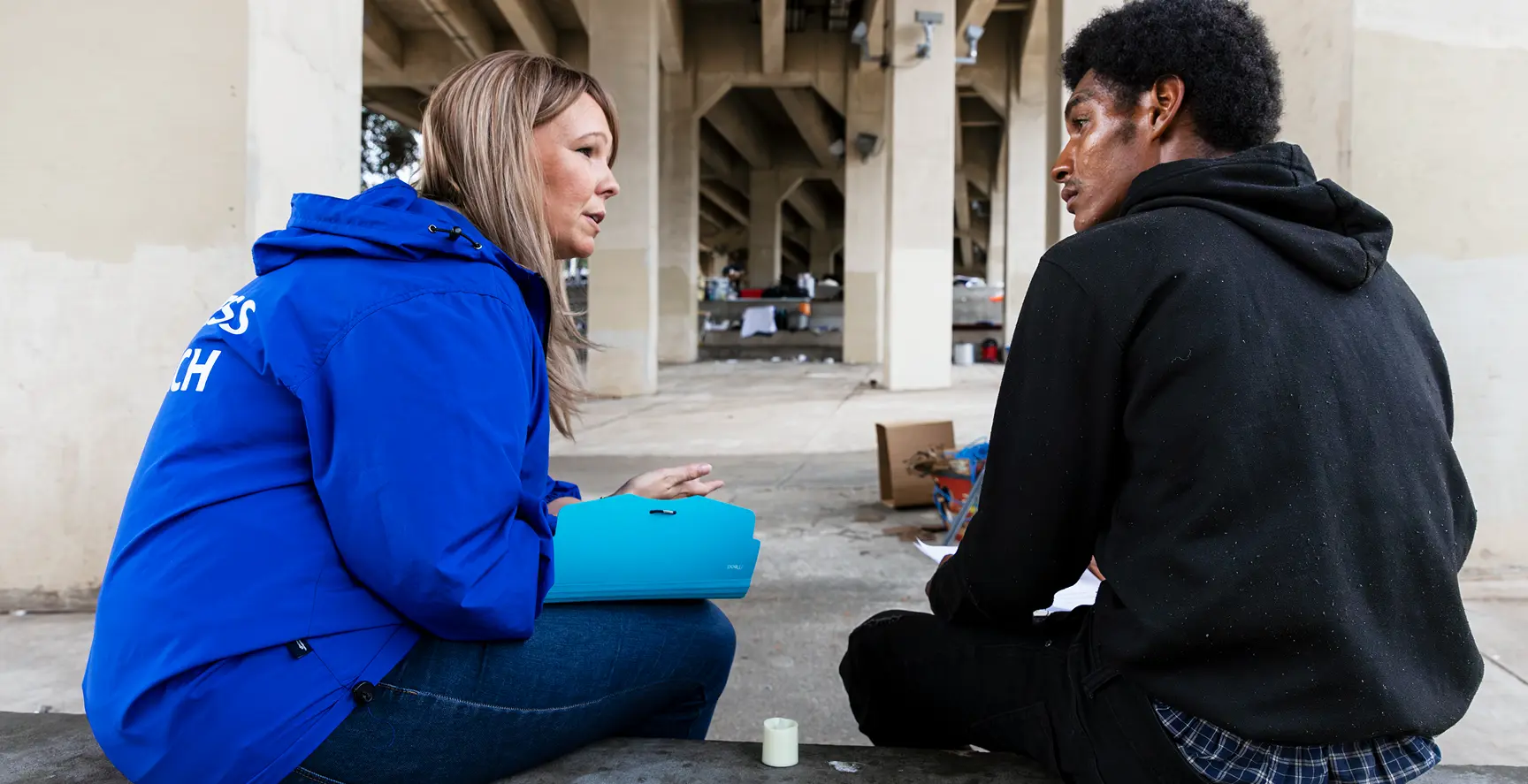
A case manager is a trained social service provider who works one-on-one with clients who are facing challenges and obstacles in their life. During these confidential sessions, case managers listen to their clients, offering feedback that is both supportive and non-judgmental.
Case managers encourage clients to consider options to the lifestyle in which they are currently living, set personal goals, and take incremental steps toward reaching those goals.
What can I do to help?
Ending homelessness takes all of us. One simple way to think about how you can help is to CARE:
C — Contribute Support organizations like SEARCH doing proven, long-term work to end homelessness through financial gifts, in-kind donations, or volunteer service.
A — Advocate Use your voice to support policies and investments that increase affordable housing, strengthen public systems, and expand access to care.
R — Respond Thoughtfully When you encounter someone experiencing homelessness, respond with compassion and connect them to trusted community resources whenever possible.
E — Educate Learn more about the real causes of homelessness and help challenge common myths with facts, empathy, and understanding.
Every action matters, and lasting change happens when a community chooses to stay engaged.
What should I give someone on the street instead of money?
Many people want to help when they see someone experiencing homelessness, but they aren’t sure what’s most useful or respectful. Offering some of these essential items can be a meaningful way to show care and provide immediate support:
- Bottled water
- Tissues
- Granola bars or other non-perishable snacks
- Mosquito repellent
- Hand sanitizer
- Socks
- Toothbrush and mini toothpaste
- Sunscreen
- Bus fare
What are the do’s and dont’s for offering assistance?
Do
- Offer a smile, wave, or gentle word of encouragement. Treat people with dignity and respect. Much of their self-worth has been ripped away by circumstances we cannot imagine.
- Carry bottled water in a small cooler in your car, especially in the summer, to offer to people asking for help. Houston heat can be dangerous and often deadly for people living on the street.
- Make a monetary donation to SEARCH.
Do Not
- Give money to people who are panhandling on the street. This can enable them to stay on the streets and avoid seeking a positive path out of homelessness.
- Avoid eye contact or treat people who are standing on street corners like they are invisible.
- Offer rides or invite strangers into your car. If someone is injured and needs immediate assistance, call 911.
- Drive too close or too fast when passing people who are standing on street corners.
If you have additional questions about SEARCH, please email us at info@SEARCHhomeless.org.